
Public spending, housing priorities, and the debate shaping Kalamazoo’s future.
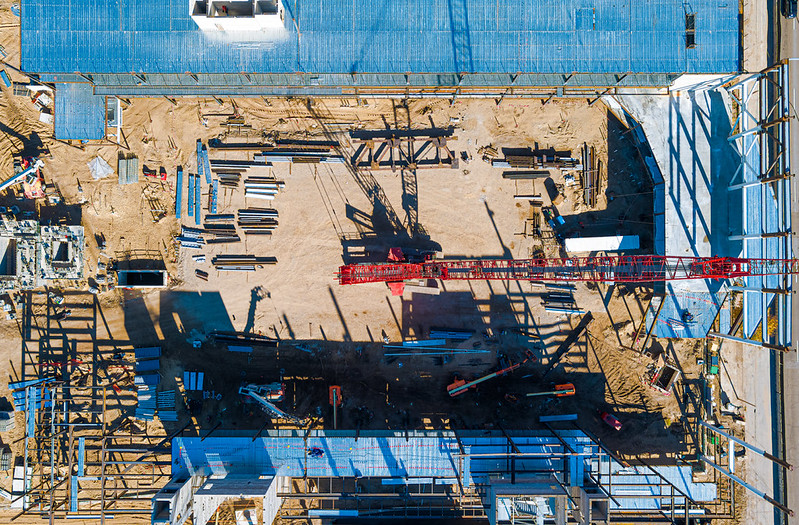
Construction is underway on one of the largest development projects in Kalamazoo’s recent history: the Kalamazoo Event Center, a new downtown arena expected to host concerts, sporting events, and major entertainment programming.
Supporters of the project say the arena could transform the city’s downtown by bringing new visitors, events, and economic activity to the region. The facility is expected to host Western Michigan University athletics, Kalamazoo Wings hockey, and a range of concerts and large public events once completed.
But as construction progresses, the project has also sparked a broader conversation in the community.
For many residents, the arena debate has become less about sports and entertainment and more about development priorities, public investment, and housing in Kalamazoo.
The Arena Project
The proposed downtown arena represents one of the largest development projects in Kalamazoo’s recent history.
Early estimates placed the project at roughly $300 million, though more recent projections suggest the total cost could reach $500 million or more, depending on final construction and design.
Supporters argue the arena could stimulate economic activity downtown by bringing visitors, events, and additional business to the city’s core.
Large entertainment developments, however, often raise questions about public infrastructure costs and long-term community impact.
In Kalamazoo, those questions have increasingly become part of the public conversation.
Infrastructure and Public Investment
While the arena itself has often been described as primarily privately financed, large developments typically require extensive infrastructure work surrounding the project site.
Earlier public discussions around the arena frequently emphasized that the project would rely heavily on private financing rather than direct taxpayer funding. However, as the project has moved from planning to construction, some public infrastructure costs connected to the development have begun to emerge.
That work can include:
- water and sewer system upgrades
- stormwater infrastructure improvements
- road reconstruction
- utility relocation
In June 2025, MLive reported that the City of Kalamazoo and the arena developer would split the $13 million cost of downtown infrastructure improvements connected to the arena district, including upgrades to stormwater, wastewater, and water systems, as well as surrounding streets.
Those improvements are intended to prepare the surrounding area for the increased activity associated with the event center.
For some residents and observers, however, the announcement raised new questions about how public infrastructure spending connects to the larger development.
A Timeline of the Arena Proposal
Plans for a downtown event center in Kalamazoo have developed over several years as city leaders, developers, and community members debated the project’s potential scope and impact.
2019–2020
Early discussions begin around expanding large-event facilities in Kalamazoo and the possibility of a new downtown arena.
2021
Concept plans begin emerging for a downtown venue capable of hosting sports, concerts, and large entertainment events.
2022
Developers begin exploring potential locations, financing structures, and partnerships tied to a new arena development.
2023
Public discussion intensifies as early cost estimates for the project reach approximately $300 million.
2024–2025
Construction activity begins near the proposed site as infrastructure work moves forward around the arena district.
The Kalamazoo Event Center is currently projected to open sometime between 2027 and 2028, depending on construction timelines.
Community Voices
As construction moves forward, community members have increasingly raised questions about development priorities.
Local activist Joana Babcock has been among the most visible voices in that conversation.
Through public comments at Kalamazoo City Commission meetings and community advocacy, Babcock has argued that the city risks prioritizing large development projects while failing to address the region’s growing housing challenges.
Her comments reflect a broader concern shared by many residents: that major development decisions should be considered alongside the community’s housing needs.
The Housing Question
Kalamazoo, like many cities across the United States, is facing a significant housing shortage.
Research from the W.E. Upjohn Institute has estimated that the Kalamazoo region may need more than 7,800 additional housing units by 2030 to meet projected demand.
Housing affordability is also an increasing concern.
More than 15,000 renter households in Kalamazoo County spend over 30 percent of their income on housing, a threshold commonly used to identify cost-burdened households.
Regional data from the United for South Central Michigan annual homelessness survey shows that hundreds of individuals experience homelessness in Kalamazoo County each year, based on annual point-in-time counts.
For housing advocates, these numbers highlight a widening gap between housing supply and demand.
Arena Investment vs Housing Need
The estimated cost of the Kalamazoo Event Center, more than $500 million, has made it one of the most visible development projects currently underway in the city.
Supporters say the project could bring economic activity, tourism, and new opportunities to downtown.
But critics and community advocates often point to the region’s housing shortage as evidence that affordable housing remains one of Kalamazoo’s most pressing challenges.
That contrast has fueled an ongoing debate about how cities balance economic development with housing stability and long-term community investment.
The Northside Context
The arena’s location near downtown places it close to Kalamazoo’s historic Northside neighborhood, a community with deep cultural, economic, and civil rights roots in the city.
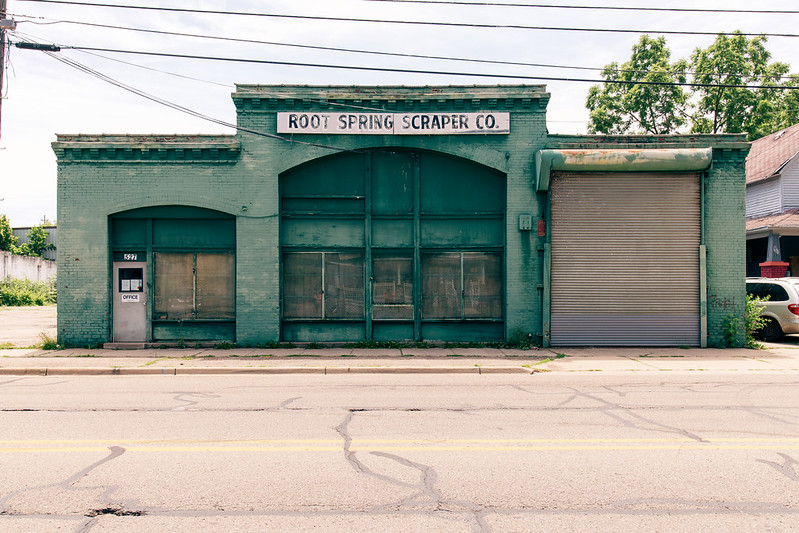
Like many historically Black neighborhoods across the United States, the Northside has experienced decades of economic disinvestment alongside periods of redevelopment pressure.
Urban development research has shown that large entertainment districts and downtown redevelopment projects can increase nearby property values and rental prices, a process that can contribute to gentrification and displacement when housing protections are limited.
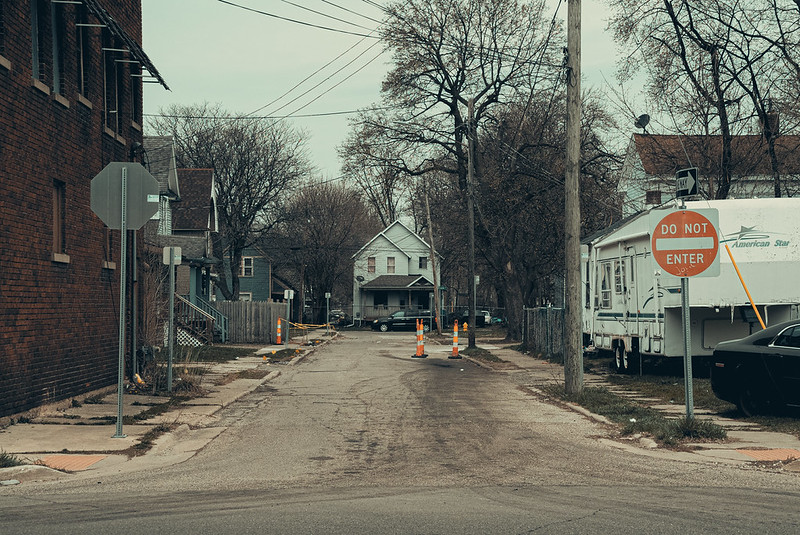
Some residents and community advocates worry that major development projects near downtown could accelerate those pressures if affordable housing development does not keep pace with rising property values.
Housing advocates often argue that expanding the supply of affordable housing is one of the most effective ways to reduce the risk of displacement associated with redevelopment.
A National Conversation
The arena debate is also unfolding within a broader national conversation about how cities finance development.
Kalamazoo has received national attention in recent years for its unique model of philanthropic funding in local government.
A 2021 investigation by TIME Magazine examined the Kalamazoo Foundation for Excellence, an initiative created through large private donations intended to support municipal services and infrastructure.
Supporters say the program has helped fund community programs and reduce financial strain on the city’s budget.
But critics interviewed in the investigation raised concerns that heavy reliance on large private donors could influence development priorities or shape public policy decisions.
Within that broader context, debates surrounding the arena project reflect larger questions about how development priorities are shaped and whose interests are ultimately served by major investments in urban growth.
The Larger Question
Cities evolve, and development projects are often part of that process.
But the discussion surrounding Kalamazoo’s new arena highlights a broader question facing many communities today:
How can cities pursue major development projects while also addressing housing affordability and neighborhood stability?
For Kalamazoo, the answer may shape the city’s housing landscape and development priorities for decades to come.
—
Jennifer L. Dayton
Founder & Executive Director
Kalamazoo Justice Project, Inc.
Sources and Reporting
This article references publicly available reporting, research, and housing data related to the Kalamazoo Event Center, development policy, and housing conditions in Kalamazoo County.
- MLive — “Kalamazoo arena developer to split $13M bill for downtown infrastructure project”
https://www.mlive.com/news/kalamazoo/2025/06/kalamazoo-arena-developer-to-split-13m-bill-for-downtown-infrastructure-project.html - Second Wave Media — “Big plans, big questions: Northside residents eye inclusion as Kalamazoo Event Center takes shape”
https://secondwavemedia.com/big-plans-big-questions-northside-residents-eye-inclusion-as-kalamazoo-event-center-takes-shape/ - Second Wave Media — “Northside residents hear plans and ask questions about the $300M Kalamazoo Event Center”
https://secondwavemedia.com/northside-residents-hear-plans-about-300m-kalamazoo-event-center-101724/ - WKZO News — “Groundbreaking ceremony held for $515 million Kalamazoo Event Center”
https://wkzo.com/2025/09/28/838858/ - W.E. Upjohn Institute — Kalamazoo County Housing Plan
https://www.upjohn.org/research-highlights/plan-addresses-need-more-affordable-housing-options-kalamazoo-county - United for South Central Michigan — Annual survey finds homelessness rising in Kalamazoo County
https://unitedforscmi.org/annual-survey-kalamazoo-county-homelessness-rising/ - TIME Magazine — Kalamazoo Foundation for Excellence investigation
https://time.com/6110450/kalamazoo-foundation-for-excellence/
Photo Credits
Photos used in this article are credited to Bill Dolak via Flickr.
Editorial and Legal Disclaimer
The views and analyses presented in this article are based on publicly available reporting, research, and community commentary at the time of publication. This article is intended for informational and educational purposes and reflects the author’s interpretation of publicly available information.
The Kalamazoo Justice Project and the author make no claims regarding the intent or actions of any individuals or organizations referenced in this article beyond what has been reported in publicly available sources.
Readers are encouraged to review the original sources cited above for additional context.
About the Kalamazoo Justice Project
The Kalamazoo Justice Project is an independent civic initiative focused on documenting issues related to housing, public policy, and institutional accountability in Kalamazoo and Southwest Michigan.
Through investigative writing, community documentation, and public education, the project aims to increase transparency and promote informed public dialogue about local governance and community development.
 English