
Investigative reporting, public records, and community accountability journalism in Kalamazoo County.
-
Why Judges Cannot Hear Their Own Disqualification Motions

Judicial impartiality cannot exist when a judge rules based on their own bias. This article examines disqualification procedures, due process concerns, and the essential role of independent review in a fair legal system.
-
The Cost of Downtown Development: What the Arena Means for Kalamazoo
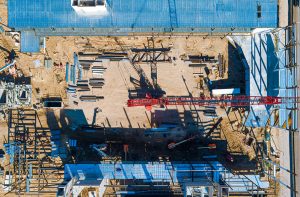
Public spending, housing priorities, and the debate shaping Kalamazoo’s future. Construction is underway on one of the largest development projects in Kalamazoo’s recent history: the Kalamazoo Event Center, a new downtown arena expected to host concerts, sporting events, and major entertainment programming. Supporters of the project say the arena could transform the city’s downtown by…
-
From Housing Instability to Incarceration: The Housing-to-Prison Pipeline

When housing instability becomes a criminal justice issue When people hear the phrase school-to-prison pipeline, many recognize it immediately. As an educator in Kalamazoo Public Schools for eight years — seven of them teaching first grade at Woodward School for Technology and Research on the city’s north side, I saw how poverty, instability, and unmet needs…
-
How to File a HUD Housing Discrimination Complaint — and What to Expect

What filing a HUD housing discrimination complaint involves, and what happens next. Who this guide is for This guide is for renters, applicants, voucher holders, and homeowners who believe they may have experienced housing discrimination and are considering filing a complaint with the U.S. Department of Housing and Urban Development (HUD). You do not need…
-
What Courts Consider Relevant — and What They Ignore
Courts decide cases through procedural filters. Understanding what counts—and what doesn’t—explains why many people feel unheard. What people think courts listen for When people go to court, they often believe the goal is to understand what really happened. They expect that: From the outside, this expectation makes sense. Courts are where disputes are resolved, and…
-
What Due Process Is — and What People Think It Means
Due process guarantees procedure, not outcomes, and explains why so many people leave court feeling unheard. What people think due process means When people hear the phrase due process, they usually think it means fairness. They assume it guarantees: For many people, “due process” feels like a promise that if they follow the rules and explain their situation…
-
What Courts Are Designed to Do — and What They Actually Do

Courts are designed to resolve disputes, not hear stories. This piece explains how courts actually function, and why so many people leave feeling unheard. Courts are often described as places where people go to seek justice. In reality, courts are designed to resolve disputes, not to hear stories, not to explain themselves, and not to…
-
Nonprofits Without Accountability: When Systems Meant to Help Become Part of the Harm

The former Kalamazoo County Building, an early seat of local governance and judicial authority, now stands as a reminder of the institutions that shape, and too often fail, the people they are meant to serve. Photo credit: Kzoo Cowboy (Flickr).
-
Cracks in the Foundation
This post has moved to my personal author platform. As Kalamazoo Justice Project establishes formal Board governance, my personal narrative and evidence-based writing is being housed independently so it is not owned, controlled, or governed by the nonprofit. Read the full post here: https://jenniferldayton.substack.com This work reflects my personal experience and analysis and is published in…
-
Why the City Manager Matters: Kalamazoo at a Crossroads

With longtime City Manager James Ritsema retiring on November 18, 2025 (City of Kalamazoo), Kalamazoo is entering a pivotal transition. This change comes at a moment when our city faces an affordable housing crisis, rising homelessness, and growing mistrust in local governance. Unlike the mayor — an elected official with limited direct administrative power —…
Proudly powered by WordPress
 English