
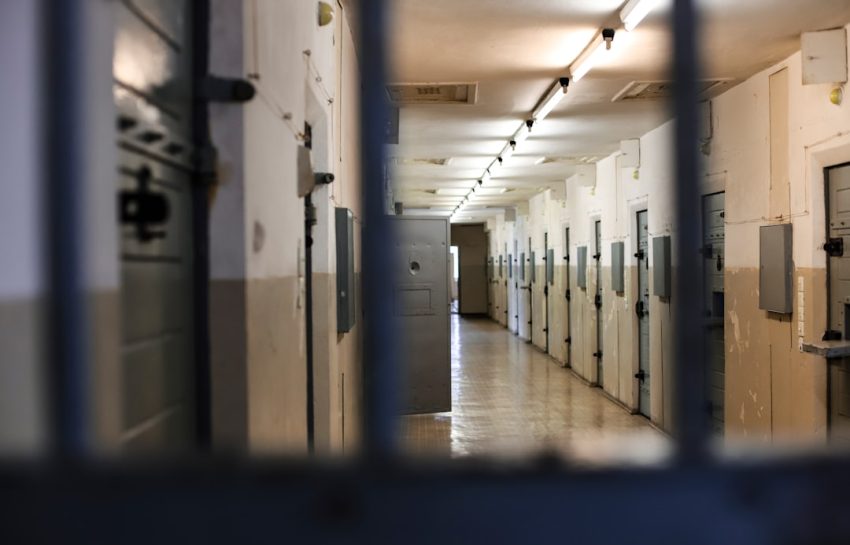
When housing instability becomes a criminal justice issue
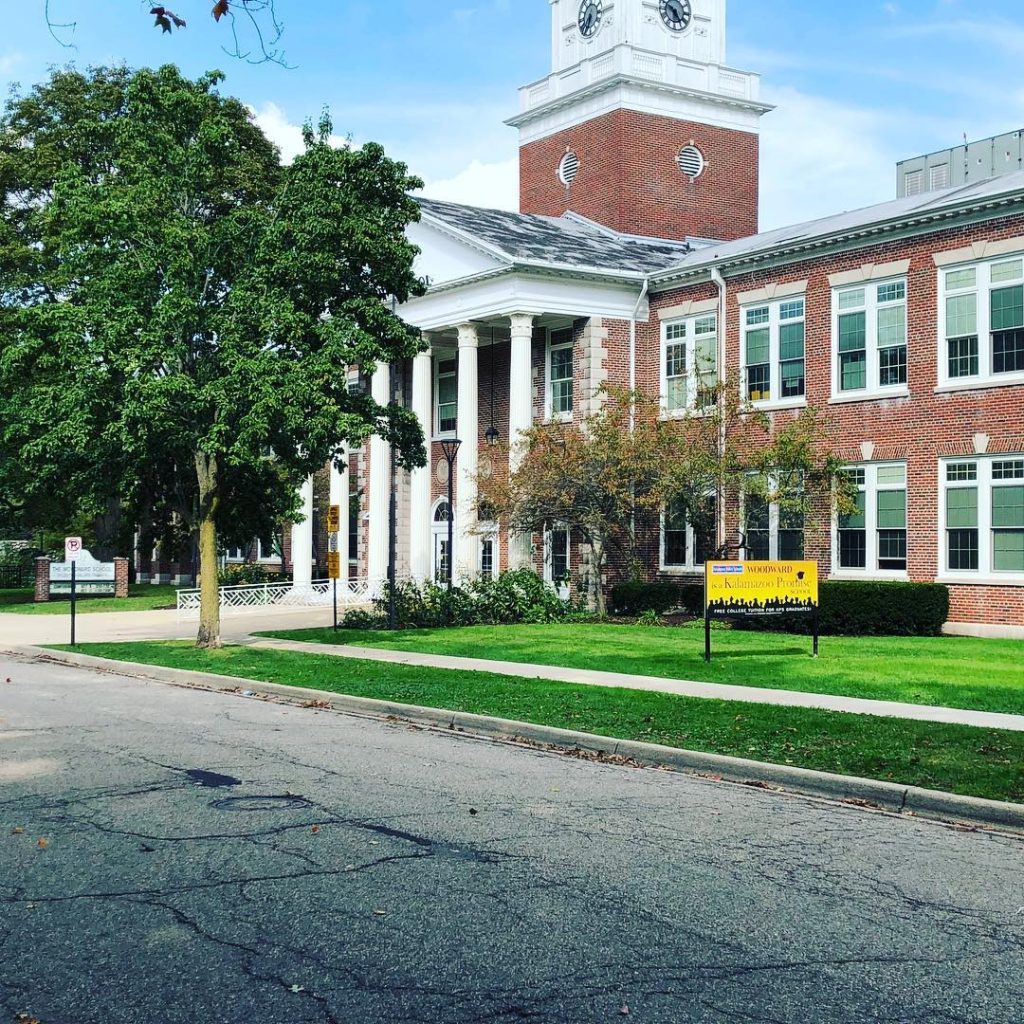
When people hear the phrase school-to-prison pipeline, many recognize it immediately.
As an educator in Kalamazoo Public Schools for eight years — seven of them teaching first grade at Woodward School for Technology and Research on the city’s north side, I saw how poverty, instability, and unmet needs follow children long before any interaction with the criminal justice system.
I wasn’t just teaching reading and math.
I was managing trauma, hunger, housing instability, and behavioral fallout from systems failing families outside the classroom.
What often goes unnamed is that the pipeline does not end with school.
For many families, housing instability becomes the next structural bridge into the criminal legal system, quietly, predictably, and with devastating consequences.
This is the housing-to-prison pipeline.
What housing instability actually means
Housing instability isn’t limited to homelessness.
It includes:
- Frequent moves or evictions
- Living doubled-up with family or friends
- Unsafe or uninhabitable housing conditions
- Threats of eviction or utility shutoffs
- Temporary or informal housing arrangements
According to the U.S. Department of Housing and Urban Development, over 3.7 million eviction cases are filed each year in the United States. Many more occur informally, without court records.
Housing instability creates constant disruption, and that disruption does not stay contained within housing.
How housing becomes criminalized
When housing is unstable, families are more likely to encounter systems that treat survival behaviors as violations.
Common pathways include:
- Evictions leading to court involvement
- Trespassing charges after displacement
- Ordinance violations tied to overcrowding or property conditions
- Criminal charges connected to unpaid fines, fees, or warrants
- Increased police contact during housing crises
Once someone enters the court system—even through civil housing court—the risk of further system entanglement increases sharply.
Housing becomes less about shelter and more about surveillance.
The data behind the pipeline
Research consistently shows the link between housing instability and incarceration:
- People who experience eviction are up to 3 times more likely to be arrested within the following year
- Formerly incarcerated individuals face significant barriers to housing, increasing the risk
- Families experiencing eviction report higher rates of school disruption, mental health crises, and court involvement
In Michigan, eviction filings are disproportionately concentrated in low-income and majority-Black neighborhoods, often overlapping with the same communities most impacted by policing and incarceration.
This is not coincidence. It is structural design.
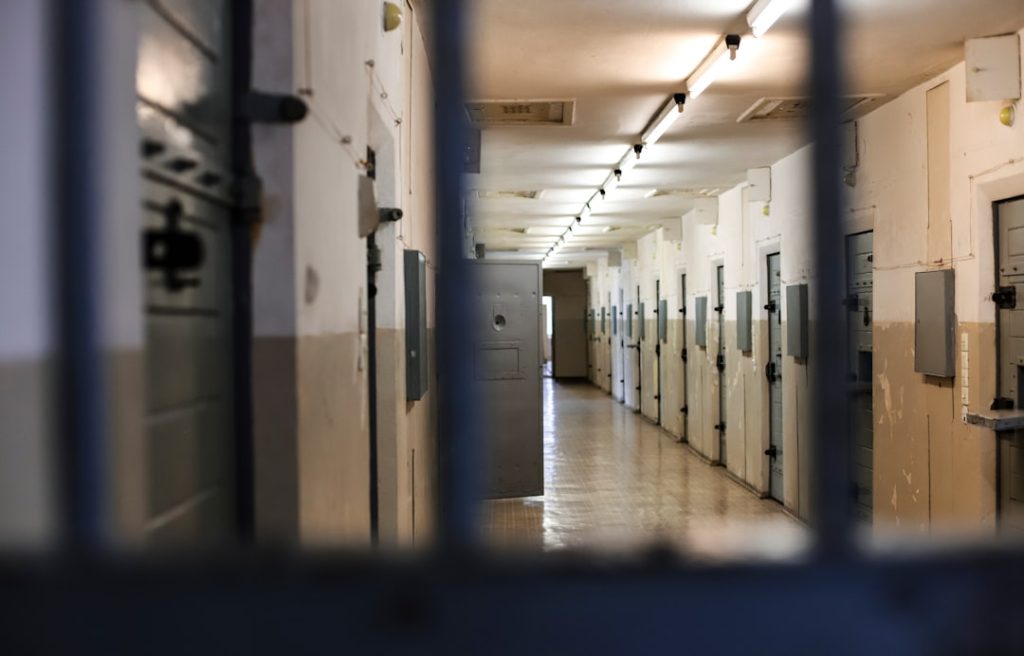
What happens to children and families
For children, housing instability often means:
- School changes mid-year
- Behavioral labeling instead of support
- Increased child welfare involvement
- Long-term academic and emotional harm
For parents, it means:
- Missed work and lost income
- Court appearances that escalate into legal consequences
- Records that make future housing harder to secure
The system does not pause for instability. It penalizes it.
Why this pipeline remains invisible
Unlike the school-to-prison pipeline, the housing-to-prison pipeline lacks a single entry point.
It operates through:
- Civil courts
- Municipal code enforcement
- Policing practices
- Administrative systems
- Private landlord actions
Each system treats its role as isolated.
The harm emerges in the overlap.
Why this matters now
Housing instability is rising nationwide.
At the same time:
- Affordable housing supply continues to shrink
- Eviction protections are being rolled back
- Criminal records increasingly block housing access
Without intervention, housing instability will continue to function as a feeder system into incarceration, especially for low-income families and communities of color.
Understanding this pipeline is the first step toward dismantling it.
Closing
Housing is not just a social issue.
It is a justice issue.
When stable housing is treated as optional, punishment becomes inevitable.
The housing-to-prison pipeline is not accidental. It is the predictable outcome of systems designed without protection for the most vulnerable.
—
Author’s note:
This post is part of an ongoing series examining how housing, courts, and criminal justice systems intersect, and how structural decisions shape real-world outcomes.
Jennifer L. Dayton
Founder & Executive Director
Kalamazoo Justice Project
Endnotes
- U.S. Department of Housing and Urban Development (HUD), Office of Policy Development and Research (PD&R).
National research on housing instability, eviction trends, and fair housing enforcement. - Eviction Lab, Princeton University.
National Eviction Data estimates approximately 3.7 million eviction cases filed annually in the United States, with documented racial and geographic disparities. - Sociological Science, Peer-reviewed research demonstrating that individuals who experience eviction face a significantly higher likelihood of subsequent arrest and contact with the criminal legal system.
- Prison Policy Initiative, Analysis on housing barriers faced by formerly incarcerated individuals and the cyclical relationship between housing instability and incarceration.
- American Civil Liberties Union (ACLU), Reporting on the criminalization of poverty, municipal code enforcement, and the overlap between civil legal systems and criminal penalties.
- Michigan Supreme Court and Michigan trial court public data.
Eviction filing data demonstrating disproportionate impacts on low-income and majority-Black communities across Michigan. - National Low Income Housing Coalition, Research on affordable housing shortages, eviction protections, and nationwide housing instability trends.
 English