
Courts are designed to resolve disputes, not hear stories. This piece explains how courts actually function, and why so many people leave feeling unheard.
Courts are often described as places where people go to seek justice.
In reality, courts are designed to resolve disputes, not to hear stories, not to explain themselves, and not to make people feel understood. Their primary function is administrative: apply the law, manage cases, and move matters toward resolution.
The problem is not that courts fail to meet their stated ideals. The problem is that most people arrive expecting one thing, while the system is built to deliver something else entirely.
What courts are designed to do
At their core, courts exist to:
- Apply the law consistently
- Resolve disputes between parties
- Provide a neutral decision-maker
- Move cases through a formal process
This design is intentional. Courts are not counseling spaces or fact-finding conversations. They are rule-based institutions meant to process legal conflicts efficiently and predictably.
In theory, this structure is meant to protect fairness. Clear rules, neutral judges, and standardized procedures are supposed to ensure that similar cases receive similar outcomes.
What people expect when they go to court
Most people, however, don’t enter a courtroom thinking in terms of institutional design.
They expect to be heard.
They expect facts to matter.
They expect that telling the truth will shape the outcome.
For many, the court is the first time they are formally asking a system for help. They arrive with documents, timelines, and experiences they believe are relevant — often without understanding how little of that information will actually be considered unless it fits procedural requirements.
This is where the disconnect begins.
What courts actually do in practice
In practice, courts prioritize:
- Managing volume
- Enforcing procedural rules
- Maintaining schedules
- Moving cases toward closure
This isn’t corruption or indifference. It’s function.
Most courts handle enormous caseloads with limited resources. Hearings are short by necessity. Judges make decisions based on what is properly before them in that moment, not on the full context of a person’s situation.
As a result, outcomes are often shaped less by what happened and more by:
- What was filed
- When it was filed
- Whether it complied with technical requirements
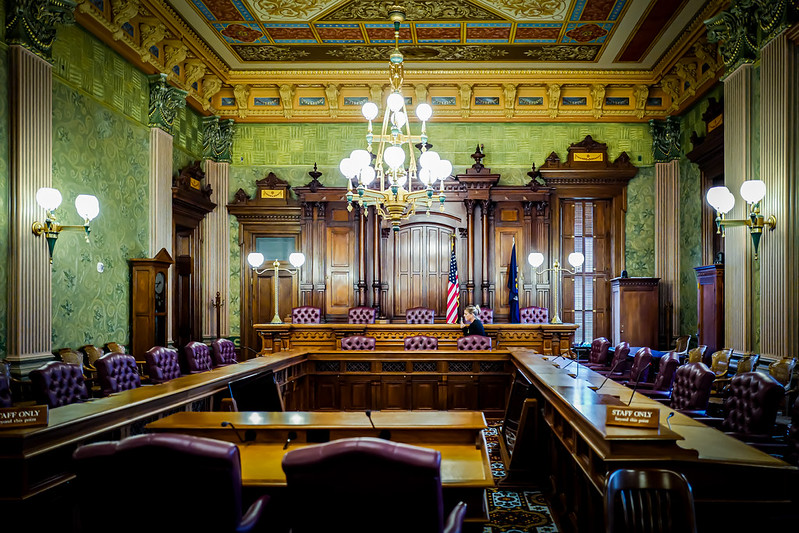
Where the gap appears
This is the gap people feel but rarely know how to name.
A hearing may technically occur, but still feel rushed or incomplete.
A decision may follow the rules, but feel disconnected from reality.
Neutrality may exist, but one still feels cold or distant.
When this happens, people often blame themselves. They assume they explained things poorly, missed something obvious, or failed in some personal way.
In many cases, the issue isn’t personal at all. It’s structural.
Why this gap isn’t accidental
Courts are administrative systems. They are built to handle cases, not to absorb complexity.
Procedural rules exist to create order. But they also narrow what can be seen and considered. Information that falls outside those rules often becomes invisible, regardless of how important it feels to the person experiencing it.
Efficiency pressures reinforce this dynamic. When time is limited, procedure becomes the primary filter. What fits moves forward. What doesn’t is left behind.
Why this matters for ordinary people
When people don’t understand how courts are designed, they often misinterpret their experience.
Confusion gets mistaken for failure.
Silence feels like dismissal.
Procedural losses feel like moral judgments.
Some leave believing the system is fair but impersonal. Others leave believing it is entirely broken. Both reactions stem from the same misunderstanding: expecting courts to do something they were never built to do.

Closing
Courts can follow the rules and still feel unjust.
Understanding what courts are designed to do and what they actually do doesn’t excuse harm. But it does explain why so many people walk away feeling unheard, even when the process technically worked.
This gap is not a personal failure. It is a structural one. And naming it is the first step toward understanding how legal systems actually operate, and where accountability truly belongs.
—
Author’s note: This post is part of an ongoing series examining courts, due process, and how legal systems operate in practice, not just in theory.
Jennifer L. Dayton
Founder & Executive Director
Kalamazoo Justice Project, Inc.
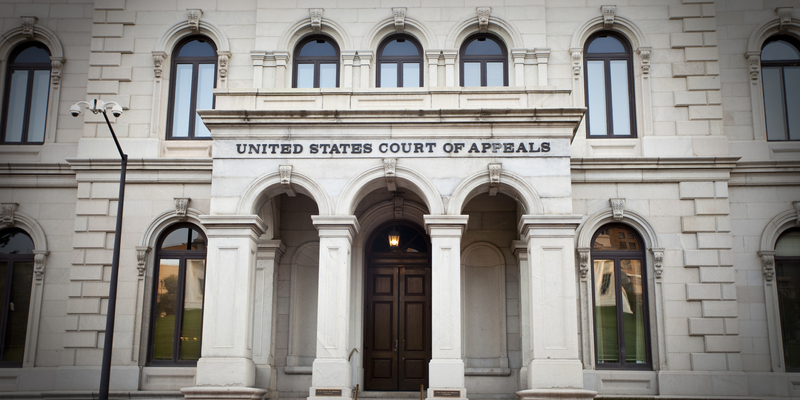
Main Photo Credit: United States Court of Appeals building, reflecting the formal and administrative nature of court systems. Photo credit: traveler1116 / Getty Images.
Originally published on Substack. This article is part of an ongoing series examining courts, due process, and systemic accountability in Michigan.
 English